Saint Yared the Conductor
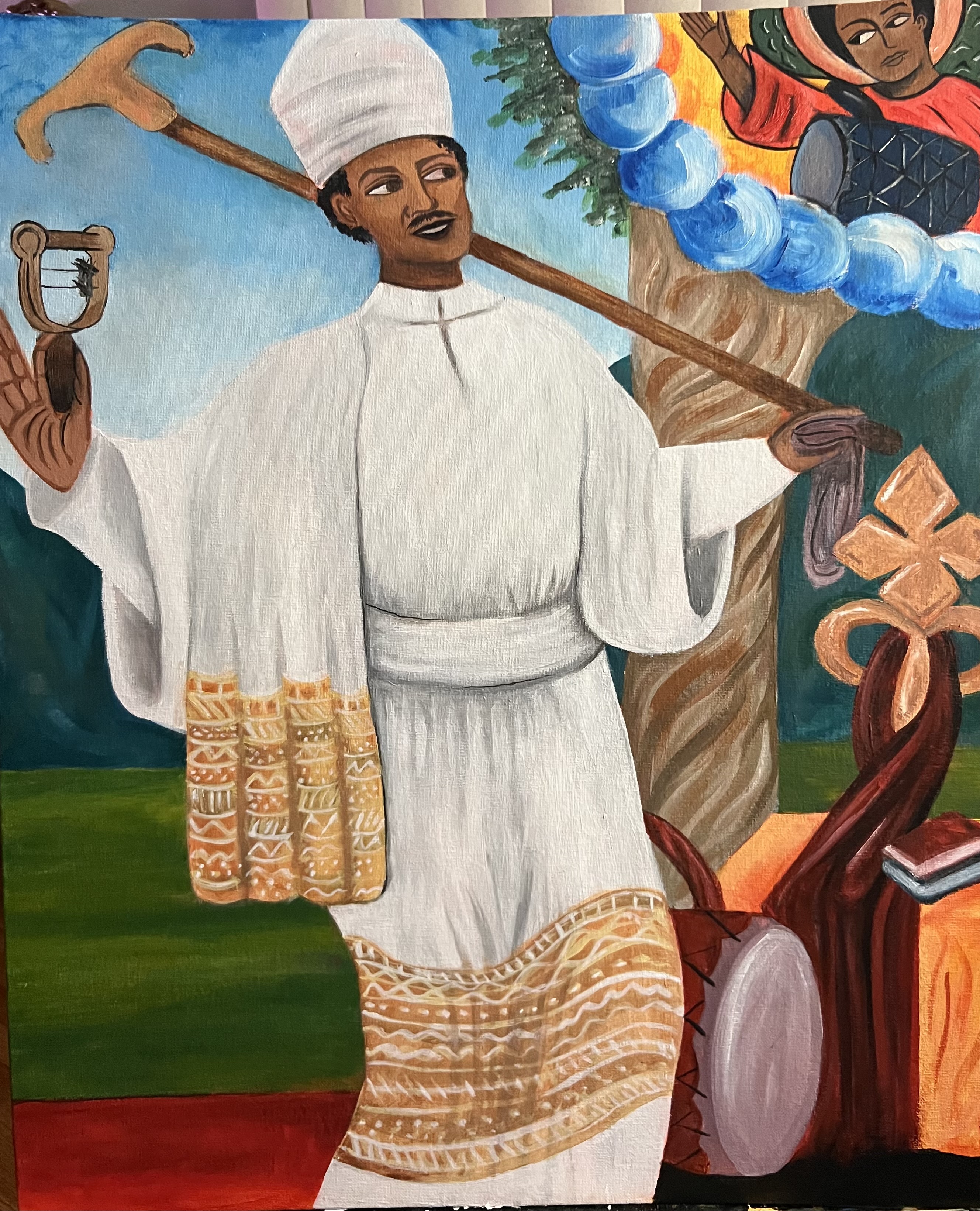
Saint Yared (505–571 AD) is the revered father of traditional Ethiopian and Eritrean Orthodox church music (Zema) and the inventor of a unique musical notation system still used today. Born in Axum, he transformed liturgical practice from whispers to structured, instrument-accompanied chants. He composed thousands of hymns across five volumes, establishing the fundamental modes and schools of hymnody, liturgical dance, and poetry that remain central to the church’s heritage. These chants are typically performed using traditional instruments.
Tsenatsil
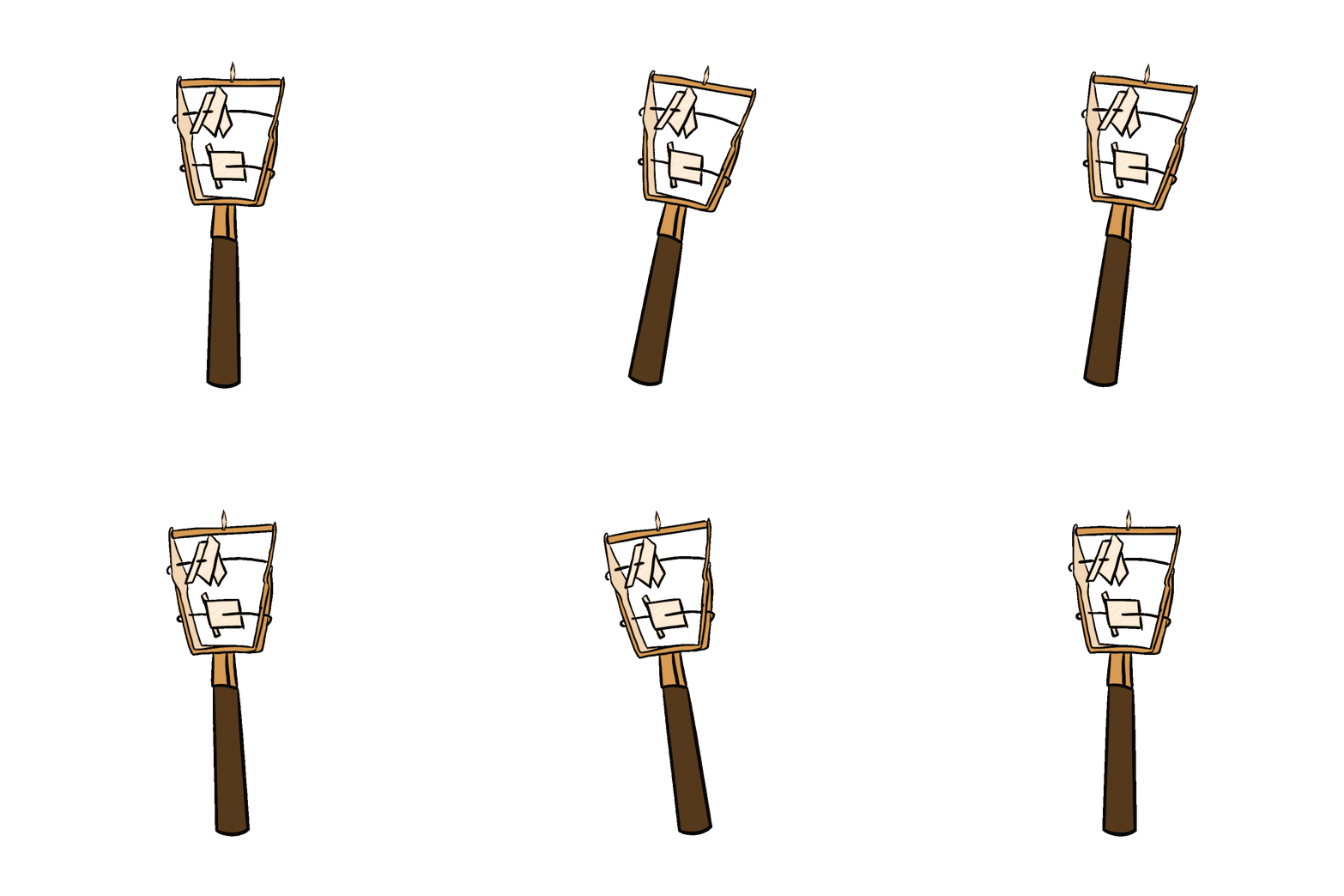
The tsenatsel is an Ethiopian Orthodox Instrument typically used in wereb. The tsenatsen has origins that dates back to the old testament where King David commands his priests to use it as praise for God. When a tsenatsen has 5 pieces in the middle, that represents the five pillars of the church. However, when a tsenatsen has 6 pieces in the middle that represents the six questions that each of us will be asked at the end of time. The two metal pieces represent Jacob’s ladder to heaven When the metal pieces of the tsenatsen crash they represent the power that is derived from the word of God.
Begena
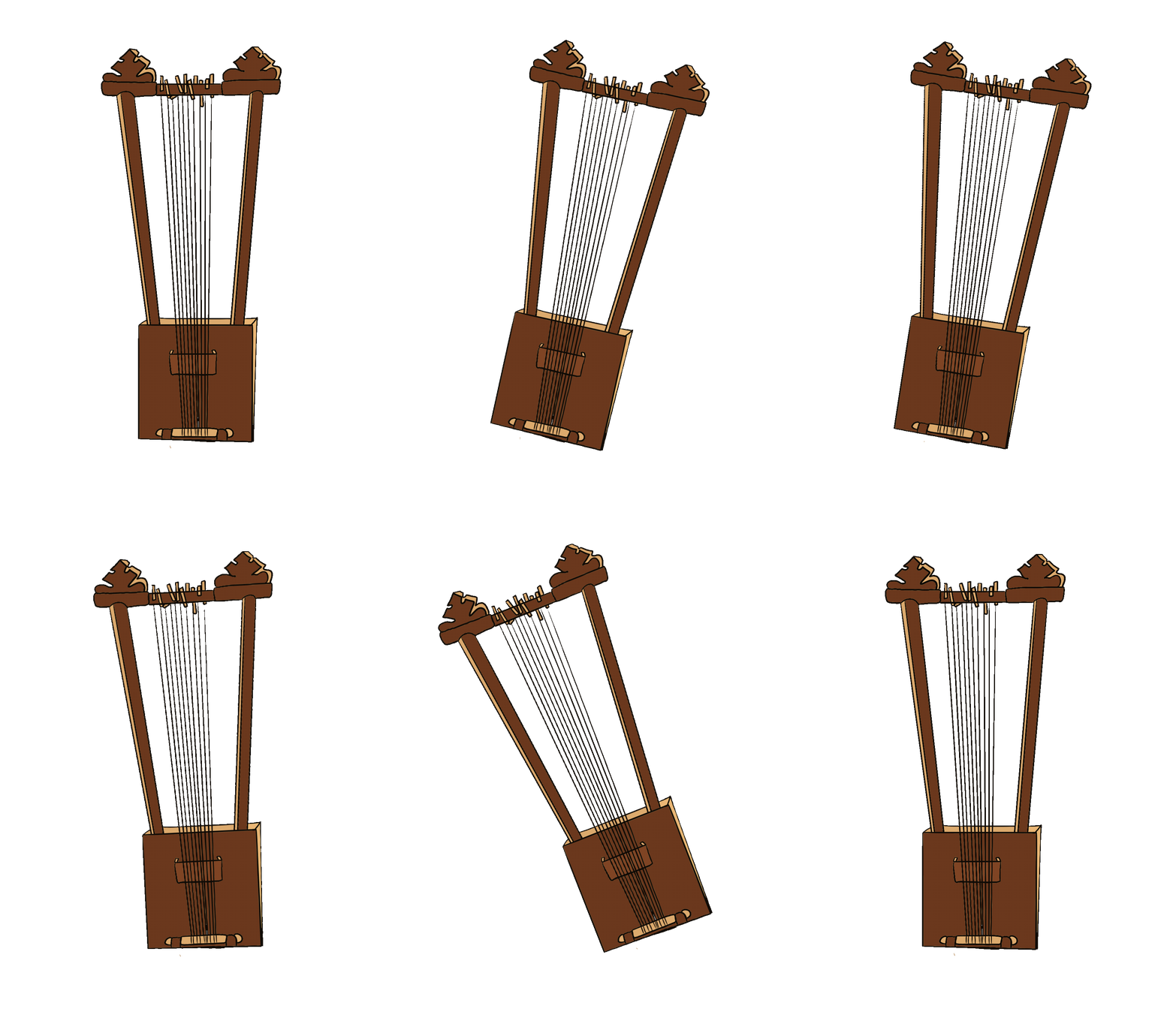
The Begena/Harp is an Ethiopian Orthodox instrument that dates back 7,000 years. The traditional Begena is made from wood and cowhide. Each Begena has 10 strings attached signifying the 10 commandments which were given to Moses. The cross bar atop the Begena allows for the composer to tune the instrument, in addition it also symbolizes God as it is above all parts, while the pillars on the side of the Begena symbolize Saint Michael and Saint Gabriel or the Old and New Testament. The Begena can trace its roots back to Moses and even before that. As Moses led the Israelites out of Egypt, high priests would play the Harp in front of the Ark of the Covenant to praise God. King David himself was notably one of the greatest advocates and composers of the Harp. Within the scripture he constantly is found playing the Harp as he praises God and for his own comfort.
Mequamia
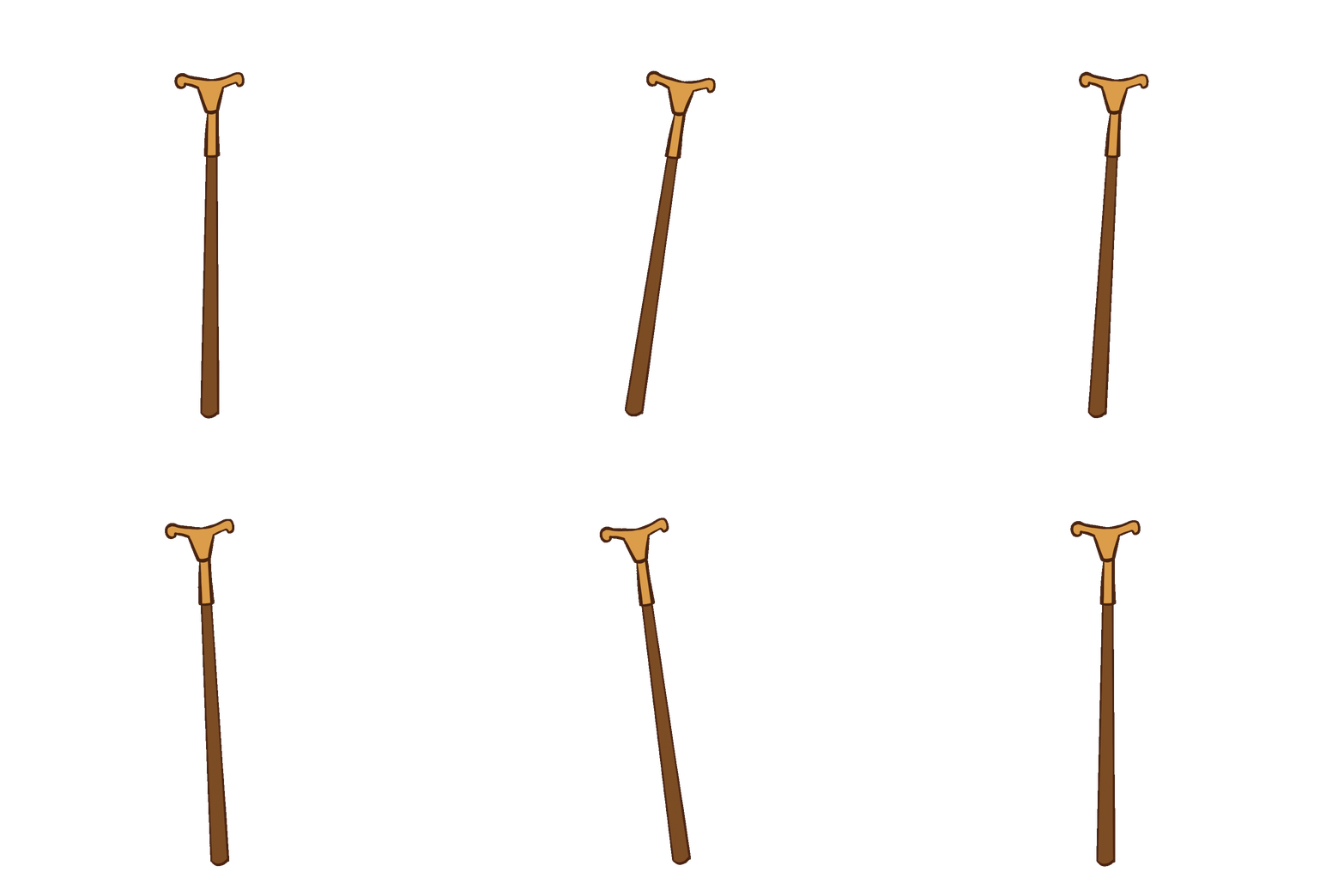
The Mekwayma represents the holy cross in which Jesus Christ was crucified. During werebs, slow and methodical movement of the Mekawayma is done in the air to represent the suffering and stumbling Christ encountered as he carried the Cross to Golgotha. During liturgy and hymns we use the Mewayma for strength as it reminds us that there is power within the cross. In the bible Moses is seen using his own Mekwayma to split the red sea into two as he brings his people away from darkness and into God’s kingdom.
Masenqo
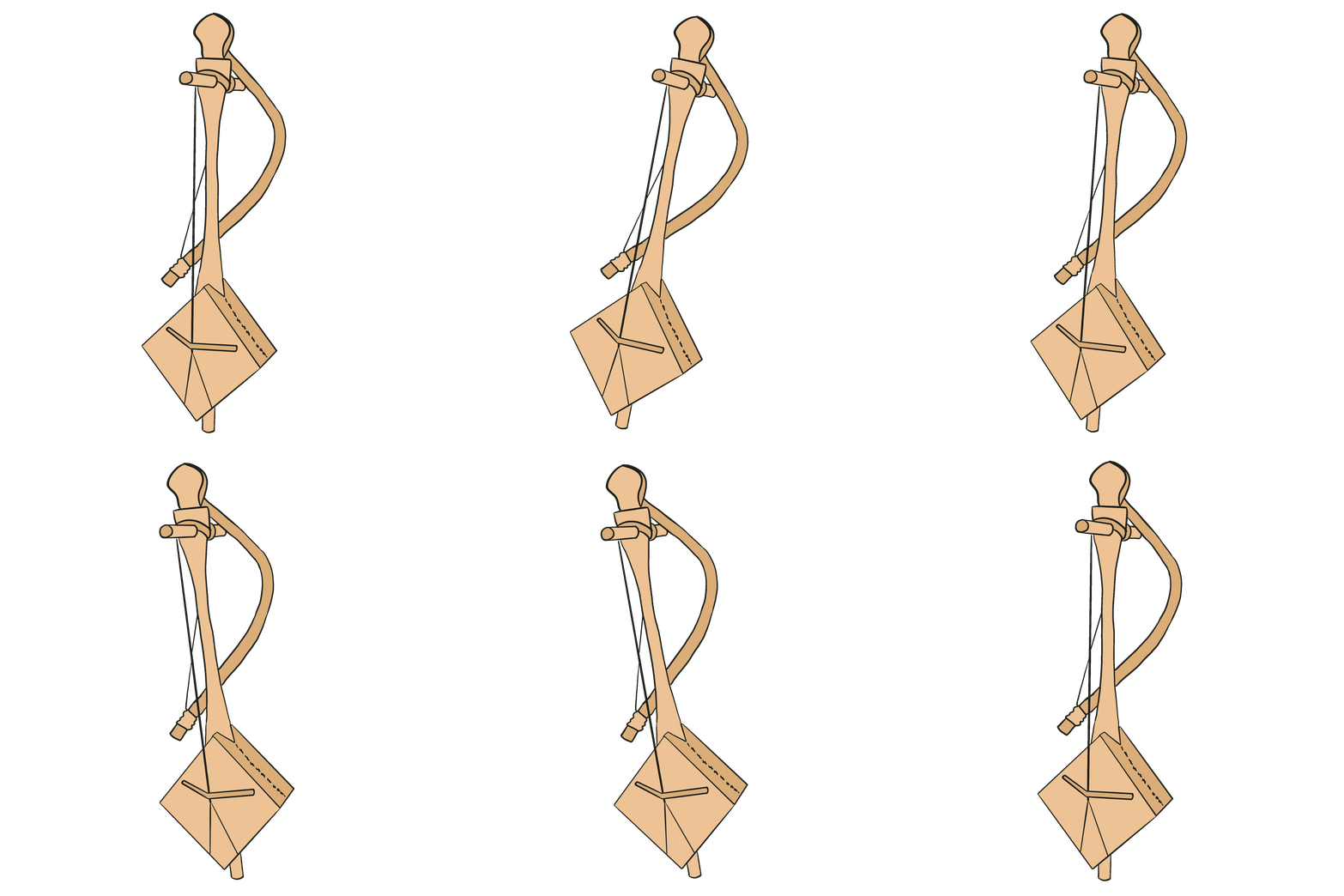
The Masinko is similar to the modern day Cello, in that it is played with a bow. It is constructed from sheep skin, wood, and horse hair. The Harp shares similar symbols such as the box which represents St. Mary, and the word of God that came from them. The single string attached represents one faith and the wood that connects the instrument is a representation of the Cross. When Myrrh is applied to a Masinko string it produces a beautiful sound, otherwise it would sound dull. We follow this practice from the example of the Virgin Mary of which when she accepted the responsibility of giving birth to Jesus Christ, she was the Myrrh who gave birth to a beautiful sound; the word of God.
Washint
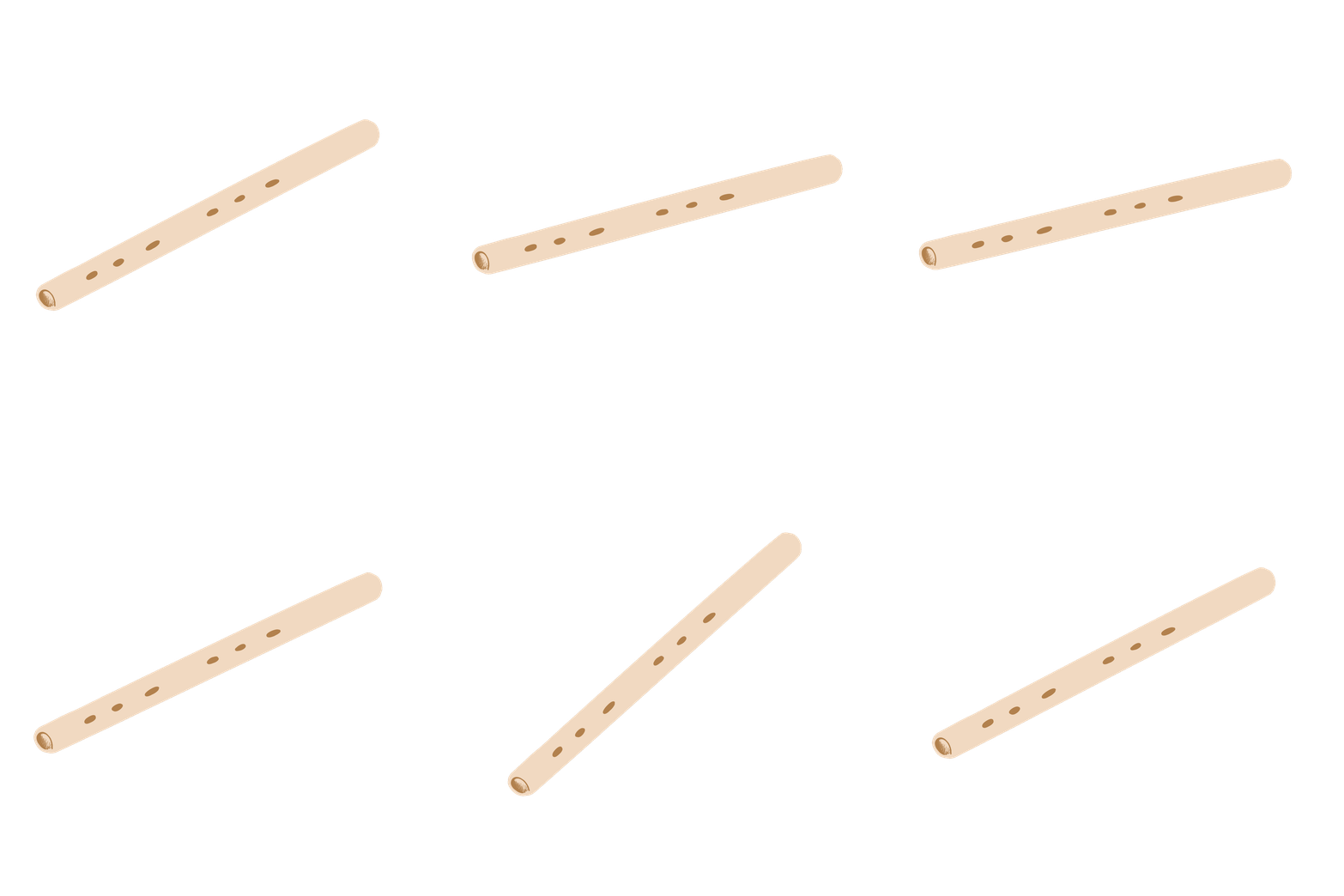
The washent is an Ethiopian Orthodox instrument that has 4 to 5 holes. It revolves around the pentatonic scale and it has 5 notes. If a washent has 4 holes, each hole represents the 4 gospels within the bible. If a washent has 5 holes, each hole represents the 5 pillars of the church.
Kebero
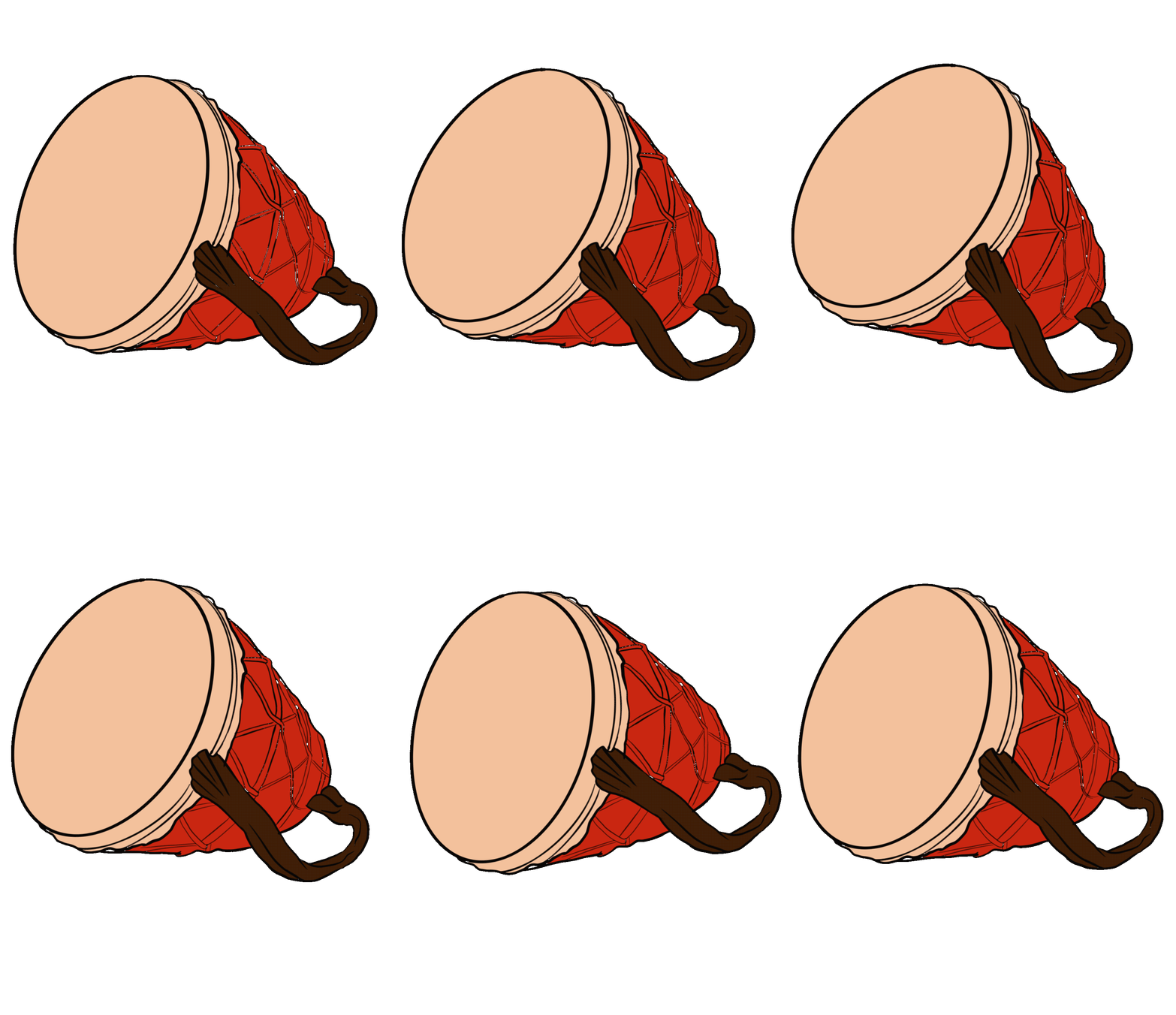
The Kebero is the most popular instrument within the Ethiopian Orthodox Tewahedo Church. The Kebero has two sides that differ in size and sound. The larger size represents the greatness of the divinity of Jesus Christ while the smaller side represents the human body he was incarnated into. The larger side represents his divinity because it is a much bigger and abstract idea; the small side is much smaller because it only represents humanity. He took those two parts and made them one. The weaving along the Kebero represents the lashing that He suffered for us. The Red cloth that usually adorns us represents His blood. While there may be other colored clothes on Kebero, biblical canon states it must be red because it represents the blood he spilled for our salvation.